SAN JOSE · SANTA CLARA COUNTY
Hoarding Cleanup
Structured cleanup for heavily cluttered or hoarded properties where contents, access, sorting decisions, clearing, and follow-on cleaning need to move forward in a controlled way.
The goal is progress without treating the home or the belongings inside it like a dumpster.
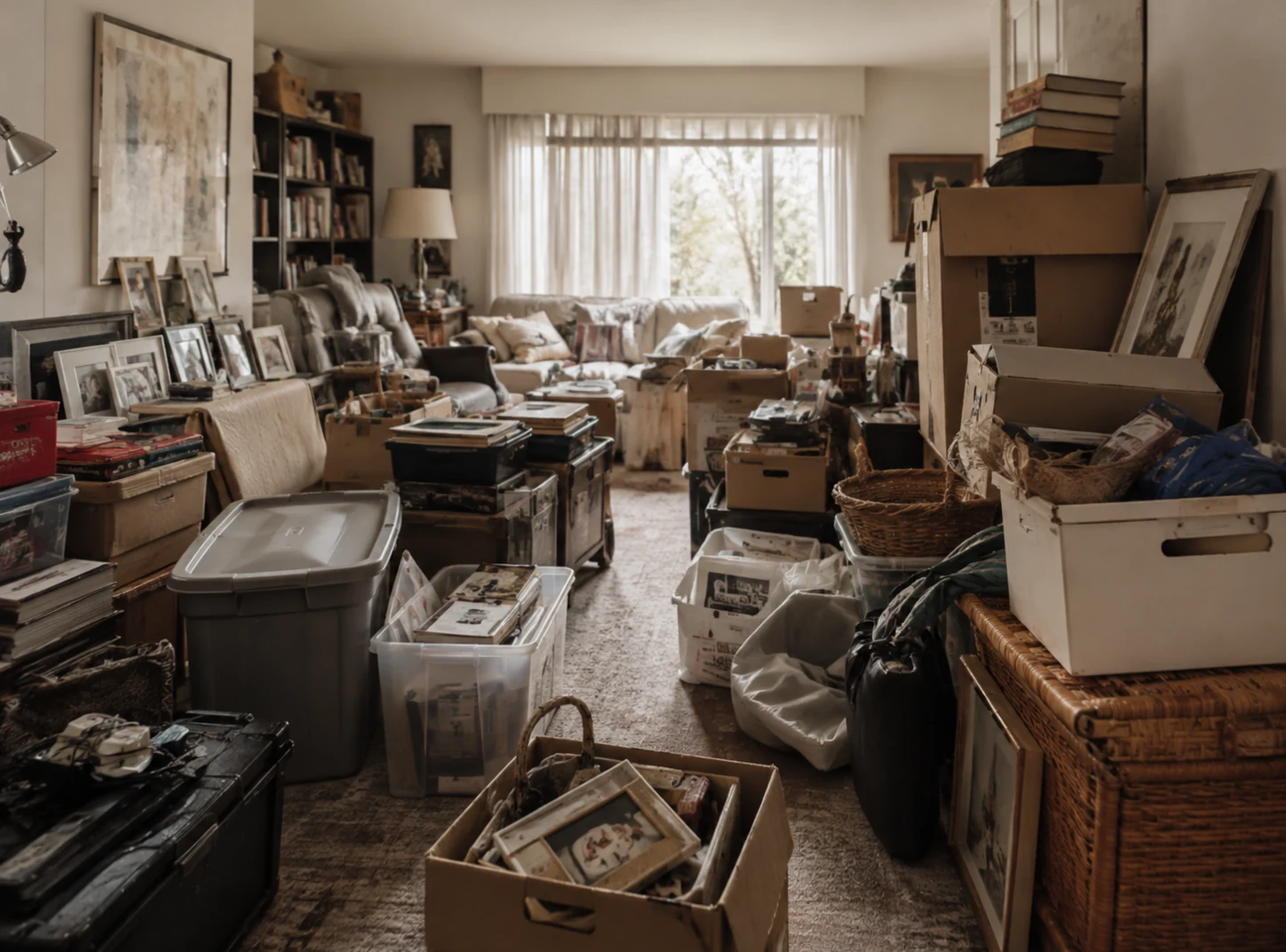
A heavily accumulated home is not just a junk-removal job.
Important documents, photographs, medications, sentimental items, valuables, donation items, and ordinary household contents can all be mixed together. The cleanup has to create access without losing control of what happens to the contents.
Progress without unnecessary loss or confusion
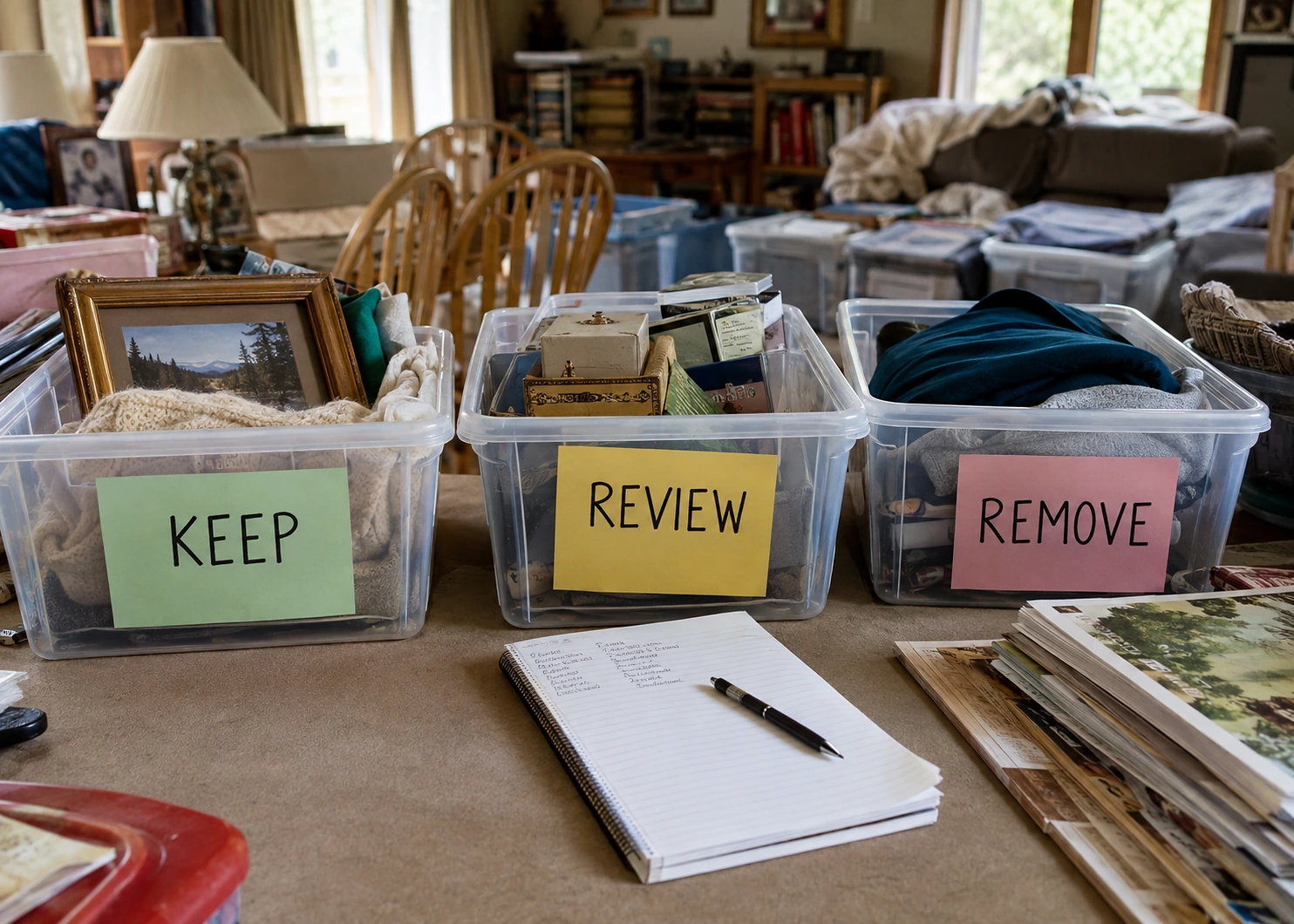
Before clearing begins, the removal rules should be clear enough that the crew knows what can move, what must stay, and what needs another decision.
- Keep areas for belongings that stay
- Remove areas for approved unwanted contents
- Review areas for uncertain items
- Priority rooms or pathways that need to open first
- Donation or disposal instructions
- A cleaning phase once rooms and surfaces are released
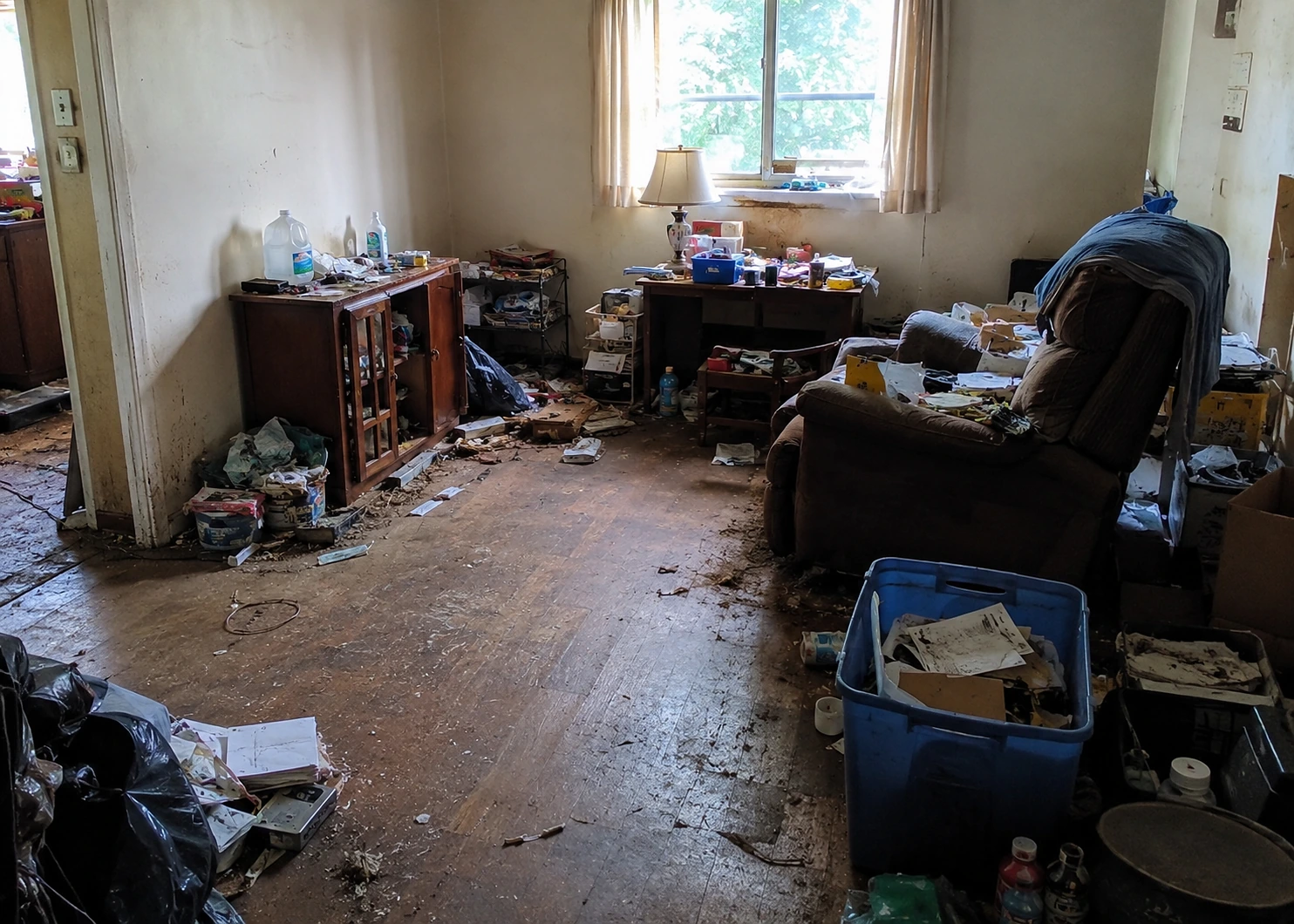
The property can move forward one controllable area at a time.
Walkthrough and priorities
We look at blocked areas, contents density, access, obvious condition concerns, and which rooms or pathways matter first.
Sorting and staging
Items can be separated according to the agreed rules instead of treating everything as discard material.
Bagging and clearing
Approved unwanted contents can be bagged, consolidated, staged, or prepared for the planned disposal method.
Room-by-room recovery
Dense properties may be cleared one room, one pathway, or one priority area at a time.
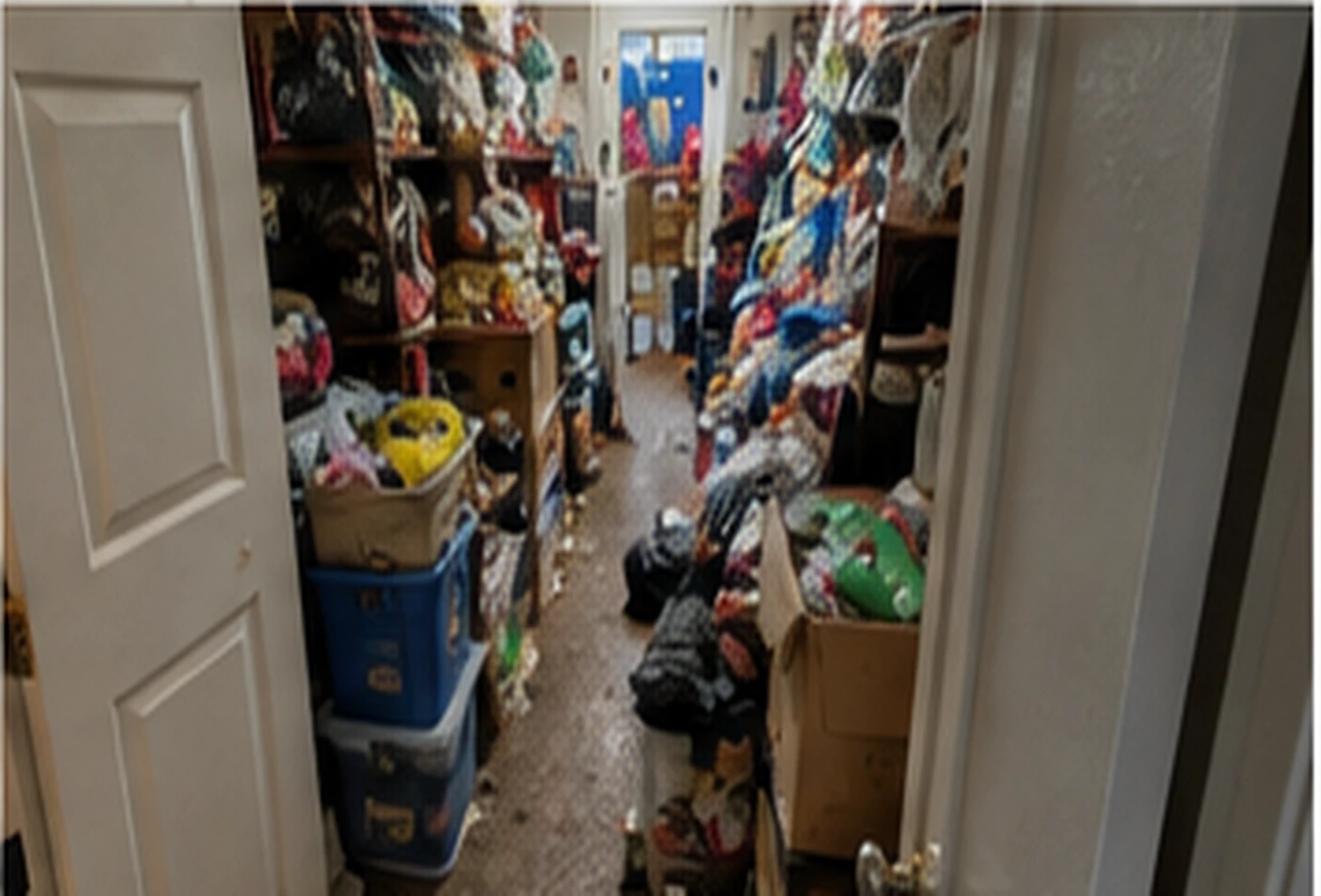
Cleaning starts when the surfaces can actually be reached.
Clearing and cleaning are related, but they are not the same phase of the job.
Once contents are removed and rooms are released, detailed cleaning can begin where it is included in the approved scope and the revealed condition remains within Aseptaclean's current service boundaries.
Hidden conditions discovered beneath contents can change the plan. If that happens, the next step is discussed before additional work is added.
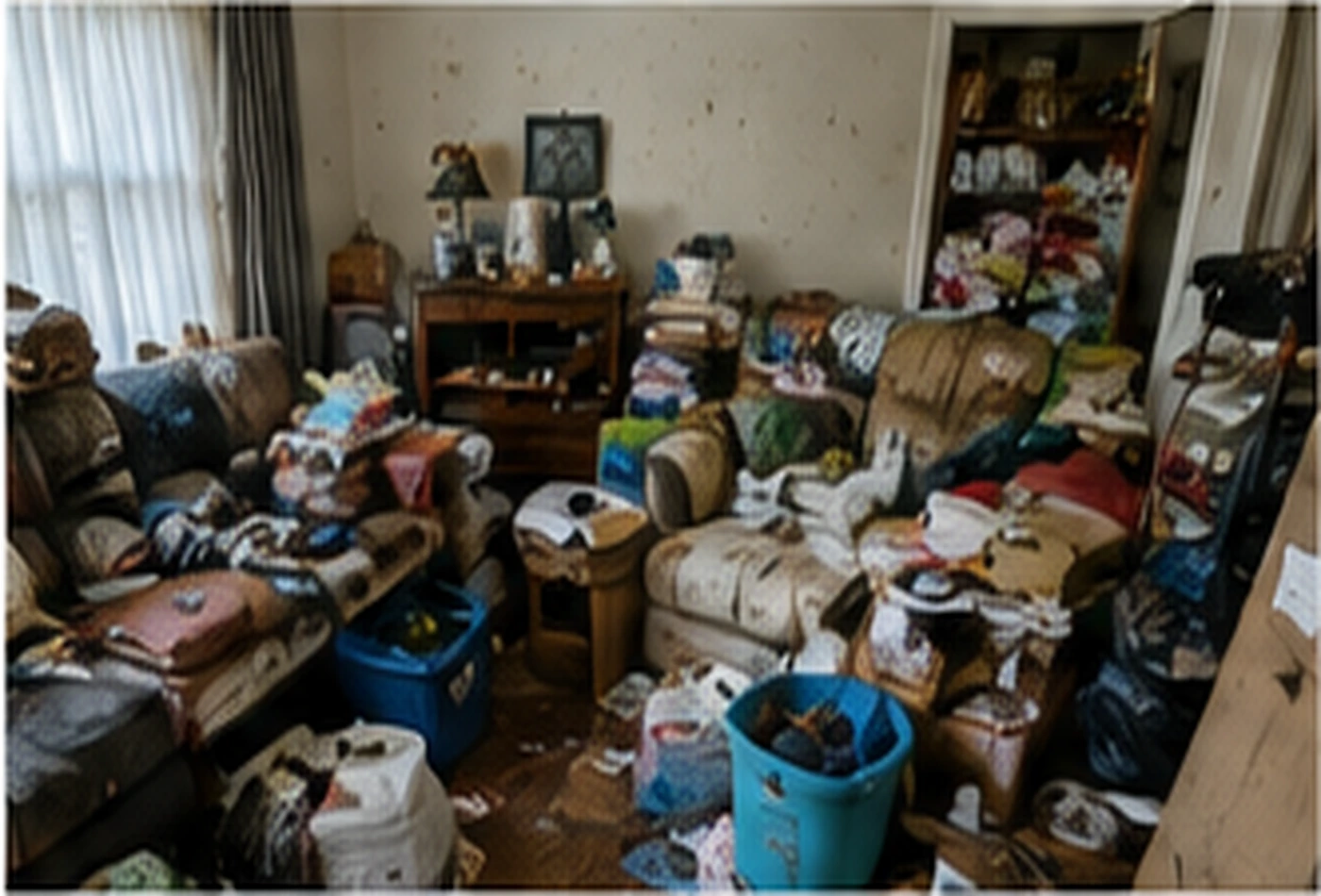
The person directing the cleanup does not always have to stand beside the crew all day.
Some projects can move with clear written instructions, agreed review points, and a decision-maker who is available when uncertain items come up.
Other homes benefit from having the owner, family member, representative, or other authorized decision-maker onsite during sorting.
Aseptaclean does not decide ownership, determine what is abandoned, appraise belongings, or remove uncertain contents without direction.
The estimate depends on more than the size of the house.
Two homes with the same square footage can require very different amounts of sorting, clearing, handling, disposal, and cleaning.
- Volume and density of accumulation
- Number of rooms affected
- Amount of sorting or decision-making required
- Furniture, appliances, and bulky contents
- Waste type and pest conditions
- Stairs, elevators, parking, and carry distance
- Disposal method and fees
- Cleaning condition beneath the contents
- Number of stages or crew days
- Deadline for sale, turnover, renovation, or handoff
Some conditions stop the cleanup until the right provider or direction is in place.
Aseptaclean does not force removal decisions, provide mental-health treatment, perform pest extermination, repair structures, or treat every hazardous condition as part of hoarding cleanup.
Human biological material, regulated waste, unknown chemicals, weapons, active pest conditions, or other out-of-scope hazards can require the affected area to stop until the proper provider or direction is in place.
What happens next
Start with the property condition, who can make decisions, and what needs to happen first.
-
01
Send photos and a short description.
Include the property location, affected rooms, deadline, and who has authority to make removal decisions.
-
02
We review the property and project fit.
Dense or complicated properties will usually need a walkthrough before a firm scope is prepared.
-
03
Set the priorities and removal rules.
Keep, remove, review, donation, disposal, and priority areas are defined before clearing begins.
-
04
Approve the scope and price.
The estimate explains the work, assumptions, disposal approach, and cleaning phase where included.
-
05
Work moves forward in the agreed stages.
Hidden or out-of-scope conditions are discussed before the plan changes.
Show Us What You're Dealing With
Send photos, a short description, the affected rooms, property location, timing, and who can make decisions about the contents. We will tell you whether the project fits and what we need before the cleanup can be scoped.